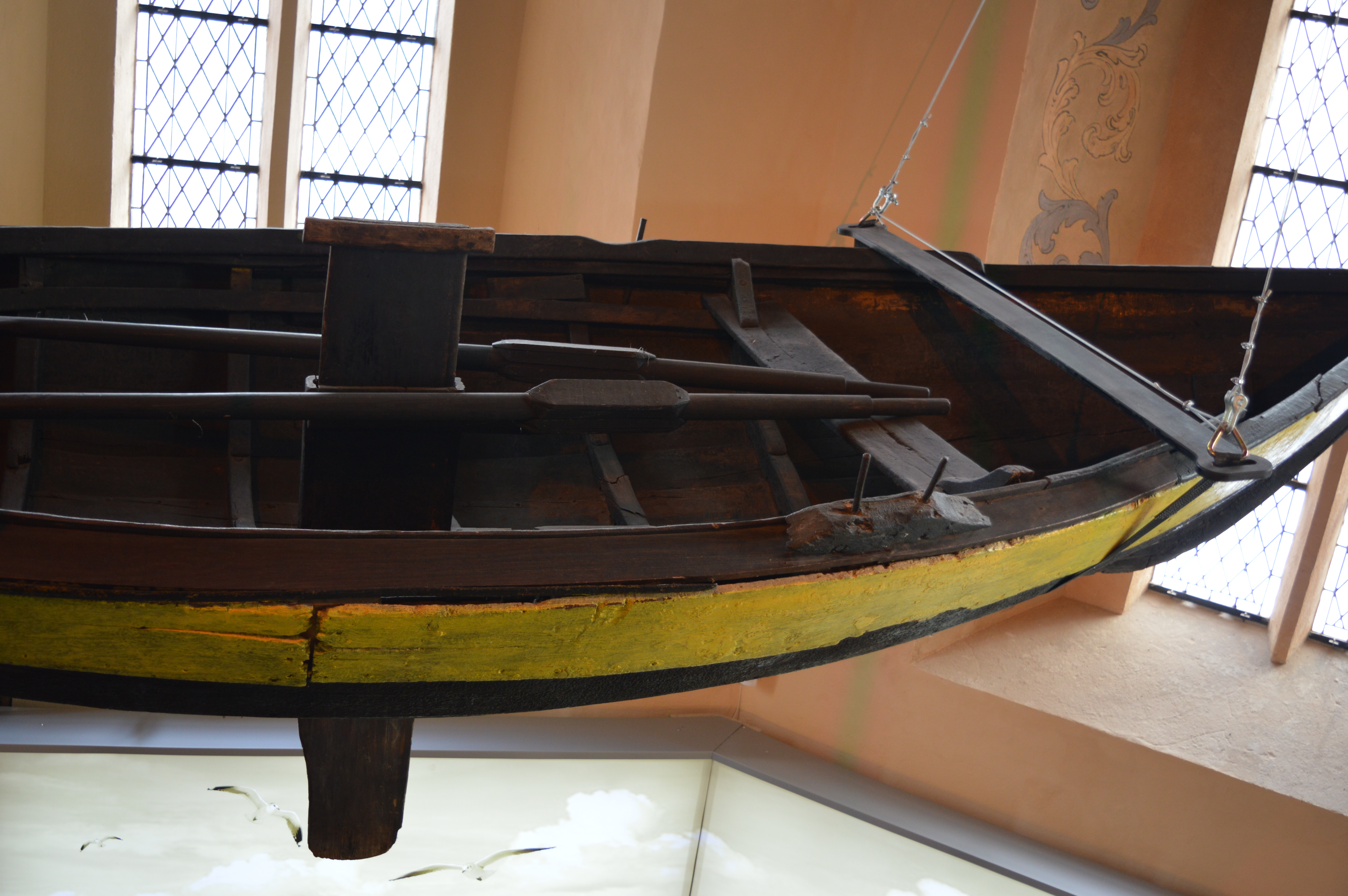
The Hel Peninsula — a narrow sand spit extending approximately 34 kilometres into the Gulf of Gdańsk — is one of the most historically significant fishing localities on the entire Baltic coast. Its geography determined both the conditions and the limitations of settlement: communities on the peninsula were dependent on fishing and boat-building because agricultural land was negligible. The peninsula's position between the exposed Baltic and the sheltered Puck Bay gave fishermen access to different species and conditions across short distances.
Settlement History
Written records of settlement on the Hel Peninsula begin in the medieval period. The town of Hel (known in German as Hela) appears in documents from the fourteenth century as a settled community with its own church and harbour. The current Gothic church — now housing the Museum of Fishery — was constructed in the fifteenth century, reflecting the established status of the community by that period.
The peninsula's population fluctuated considerably over the centuries. The eastward migration of sand dunes along the Baltic coast periodically threatened settlements, and several smaller communities to the west of Hel were abandoned or relocated over time. By the nineteenth century, the surviving communities on the peninsula were concentrated in a small number of villages: Hel itself, Jastarnia, Jurata (then a smaller settlement), and Kuźnica.
Documented Fishing Communities
Hel Town
Hel's position at the tip of the peninsula made it the natural hub for fishing activity on the eastern Gulf of Gdańsk. Fishermen from Hel worked the open Baltic for larger species — primarily cod and herring — while also fishing the calmer Puck Bay waters on the western side of the peninsula for flounder, bream, and pike. The separation between these two fisheries, each requiring different gear and boats, shaped the material culture of the community.
Jastarnia
Jastarnia, located roughly midway along the peninsula, concentrated its fishing activity on the Puck Bay side. The shallow, calm waters of the bay were suited to net-based fishing for smaller species. Jastarnia's fishing households typically maintained flat-bottomed boats adapted to the bay's conditions — substantially different from the round-hulled craft used for open Baltic fishing out of Hel.
Ethnographic documentation collected in the mid-twentieth century recorded the specific net types used by Jastarnia fishermen, the seasonal rotation of fishing grounds within the bay, and the terminology used by the local Kaszubian-speaking population to describe weather patterns relevant to fishing conditions.
Kuźnica
Kuźnica, meaning "smithy" in Polish, takes its name from a historical metalworking function — the repair and manufacture of fishing equipment. The settlement's identity was historically tied to supporting the larger fishing communities on either side of it. Documentation of Kuźnica's role in the peninsula's fishing economy includes references to anchor-making and the production of metal fittings for boats and nets.
Kaszubian language note
The communities of the Hel Peninsula were historically Kaszubian-speaking. Many of the terms for fishing equipment, boat parts, and species recorded in ethnographic sources are Kaszubian rather than Polish. The Muzeum Kaszubskie w Kartuzach holds relevant linguistic documentation.
Traditional Boat Types
The Hel Peninsula produced two distinct boat types suited to its dual-water geography. For open Baltic conditions, the larger łódź rybacka (fishing boat) had a deep keel and sufficient freeboard to manage Baltic swells. For Puck Bay use, the szkuta — a flat-bottomed, shallow-draft vessel — was the standard working craft. The Museum of Fishery in Hel holds examples and partial reconstructions of both types.
A third category of vessel specific to the peninsula was used for net-setting in transitional conditions: the prams, a small double-ended craft that could be launched from the beach without a harbour. This type was common across the Baltic and has documented examples in the collections of the National Maritime Museum in Gdańsk.
Seasonal Fishing Patterns
The fishing year on the Hel Peninsula followed the migration patterns of the key Baltic species:
- Spring (March–May): Cod returned to coastal waters for spawning, creating the primary spring fishing season in the open Baltic. This period required the larger open-water boats.
- Summer (June–August): Puck Bay fishing intensified. Flatfish and smaller species were targeted using fixed nets and traps. This period also saw some herring in the bay.
- Autumn (September–November): The herring run — the most economically significant season — brought large shoals along the Baltic shore. Herring were caught in drift nets set from the beach and processed on-site through salting.
- Winter (December–February): Reduced activity due to ice conditions in the bay and rough weather in the open Baltic. Maintenance of equipment and boats occupied much of this period.
Post-1945 Changes
The Hel Peninsula underwent significant demographic change after 1945, though the degree of continuity was greater here than in many parts of Pomerania. The Kaszubian population had Polish as well as German administrative connections and was largely retained in place. However, the fishing industry was reorganised under state-controlled cooperative structures, which changed the ownership of boats and equipment and introduced larger vessels alongside traditional small craft.
The transition to cooperative organisation in the 1950s disrupted family-based ownership patterns that had characterised Baltic fishing for generations, while also providing access to larger boats and mechanised equipment that extended the range and season of fishing activity.
Documentation of this transition period — including cooperative membership records and early photographs of the state-organised fishing fleets — is held in the State Archive in Gdańsk and in the holdings of the National Maritime Museum.
Further Reading
For those interested in the Hel Peninsula specifically, the following resources provide additional context:
- Museum of Fishery, Hel — official site
- National Maritime Museum Gdańsk
- Szukaj w Archiwach — national archival portal
- Wikimedia Commons — Hel image collection
Last updated: May 2026. Historical details verified against publicly available institutional documentation.